
Employee attrition is a term that refers to the rate at which employees leave a company. It’s a critical metric for Human Resources, as high attrition can lead to increased costs associated with recruitment, hiring, and training, and can negatively impact overall productivity and morale. Understanding why employees leave is crucial for developing effective retention strategies.

This project dives deep into the factors that influence employee attrition, using a data-driven approach. We’ll explore what the data tells us about why employees decide to seek opportunities elsewhere, and how companies can use these insights to improve employee retention.
Project Resources:
What the Data Reveals: Key Factors Influencing Attrition
This analysis is based on the “HR-Employee-Attrition.csv” dataset, which contains a wealth of information about employees, from demographics and job details to compensation and satisfaction levels. By examining this data, we can identify patterns and trends that are associated with attrition.
Here are some of the key factors that we found to be most influential:
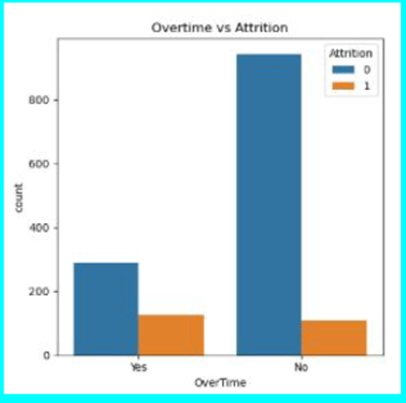
1. Overtime: The Burnout Factor ⏰ Employees who work overtime are significantly more likely to leave the company. This highlights the importance of managing workload and preventing employee burnout
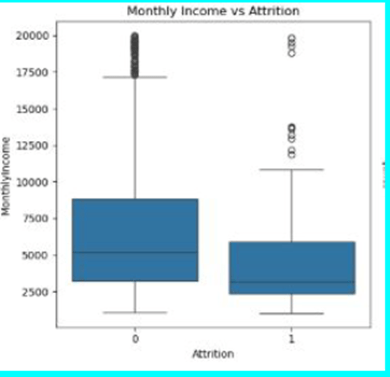
2. Compensation: Show Me the Money 💰
- Lower monthly income is a strong predictor of attrition. Employees are more likely to stay when they feel fairly compensated.
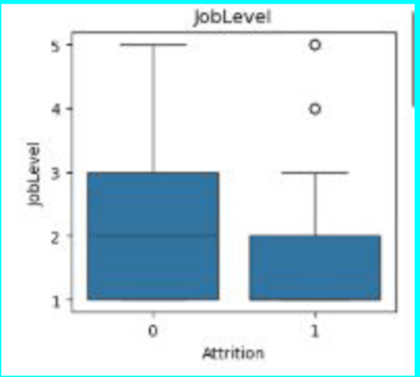
3. Career Progression: Climbing the Ladder 🪜
- Employees at lower job levels are more likely to leave. Providing opportunities for growth and advancement is crucial for retention.
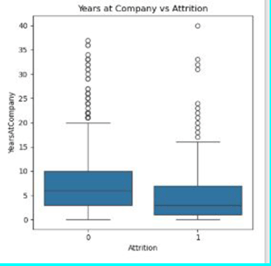
4. Tenure: Time Flies…Unless You’re Unhappy ⏳
- Employees with shorter tenures at the company are more likely to leave. Focusing on effective onboarding and creating a positive early experience is essential.
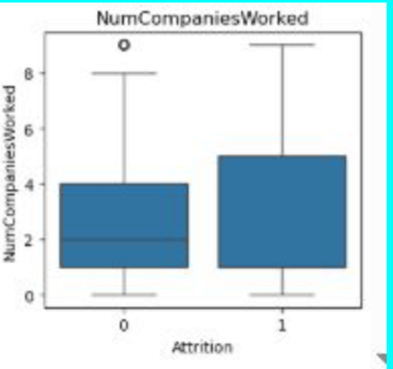
5. Job History: The Job-Hopping Factor 💼 Employees who have worked for more companies in the past are more prone to leaving. This could indicate a pattern of seeking new opportunities frequently.
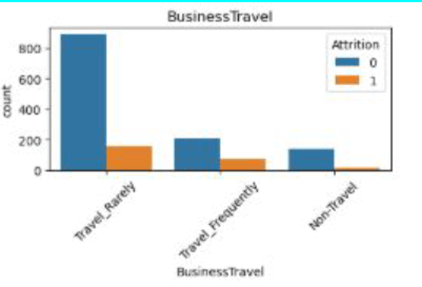
6. Business Travel: The Toll of the Road ✈️
- Employees who travel frequently for business are more likely to leave. The demands of travel can impact work-life balance and contribute to attrition.
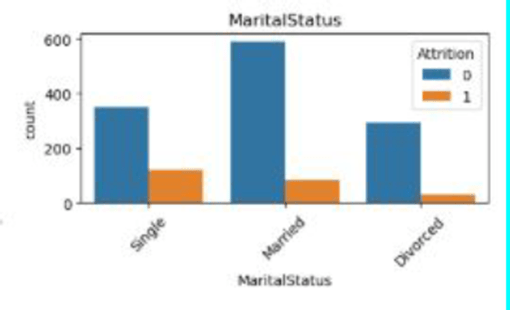
7. Marital Status: Tying the Knot (or Not) 💍
- Single employees are more likely to leave than married employees. This suggests that life stage and personal commitments can play a role.
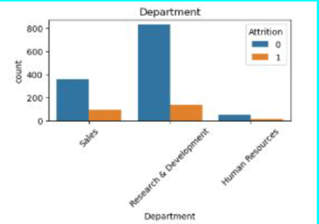
8. Department Dynamics: Culture Matters 🏢
- Attrition rates vary by department. For example, Sales often experiences higher turnover. Understanding department-specific challenges is key.
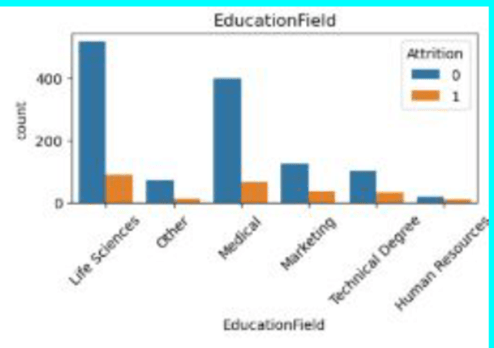
9. Education Field: The Impact of Background 🧑🏫
- Employees with Marketing or Technical Degrees show a relatively higher attrition rate.
10. Other Factors:
- Age: Younger employees may be slightly more likely to leave. 👶
- Distance from Home: Longer commutes might contribute a bit. 🏠
- Factors like daily rate, education level, and job involvement, when looked at in isolation, have a weaker association with attrition. 🤷♀️
Model Performance: Predicting Attrition
We evaluated several machine learning models to predict employee attrition. Here’s a closer look at the Logistic Regression model’s performance:
Logistic Regression Model Analysis
- Accuracy: 77%
- ROC AUC: 0.808
- Precision:
- Class 0 (No Attrition): 92%
- Class 1 (Attrition): 37%
- Recall:
- Class 0 (No Attrition): 79%
- Class 1 (Attrition): 65%
- F1-Score:
- Class 0 (No Attrition): 85%
- Class 1 (Attrition): 47%
Interpretation:
- The model is good at predicting employees who will not leave (high precision and recall for Class 0).
- Predicting which employees will leave is more challenging (lower precision and recall for Class 1).
- Overall, the Logistic Regression model demonstrates a reasonable ability to distinguish between the two classes.
Actionable Insights for HR: Retaining Your Talent 💯
The findings of this project provide several actionable insights for HR departments:
- Prioritize Employee Well-being: Address overtime issues, promote work-life balance, and consider the impact of business travel.
- Competitive Compensation: Ensure that salaries and overall compensation packages are competitive, especially for top talent and those in high-turnover roles.
- Career Development: Provide clear paths for career growth and advancement to keep employees engaged and motivated.
- Targeted Retention: Develop specific retention strategies for high-risk groups, such as younger employees, single employees, and those in roles with higher attrition rates.
- Regular Check-ins: Proactive communication and regular check-ins can help identify and address employee concerns before they lead to attrition.
By understanding the factors that drive employees to leave, and by using predictive modeling to identify those at risk, companies can take proactive steps to improve employee retention, reduce turnover costs, and foster a more engaged and productive workforce.





Leave a comment