
Customer service isn’t just about solving problems—it’s about creating experiences that keep customers coming back. Recently, we analyzed 500+ customer interactions to uncover pain points, measure satisfaction, and find ways to improve. The insights were eye-opening, and the action plan? Even better.
Project Resources:
Here’s what we learned—and how we’re fixing it.
The Biggest Customer Service Challenges (And How to Solve Them)
1. Returns Are a Major Pain Point
Problem:
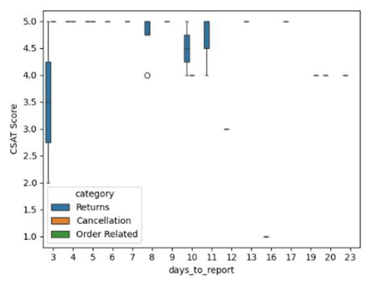
- 40% of complaints were return-related.
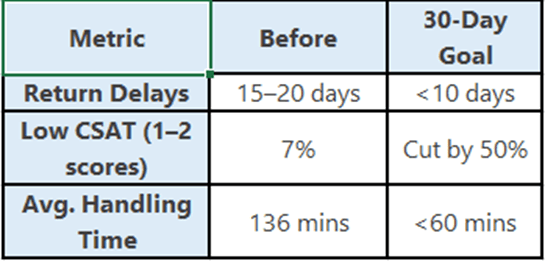
- Delays stretched up to 23 days, frustrating customers.
Why It Happened:
- Overly complicated return process.
- No proactive follow-ups.
Solution:
✅ Auto-approve low-value returns (under ₹5,000) to speed things up.
✅ Send reminders 3 days after delivery to prompt early action.
2. Speed vs. Satisfaction: The Agent Performance Puzzle
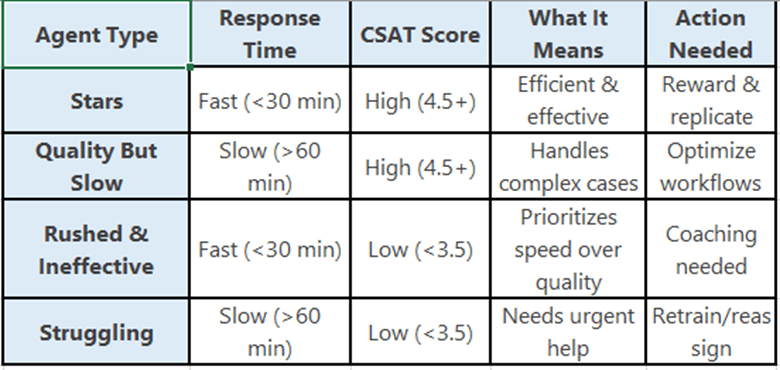
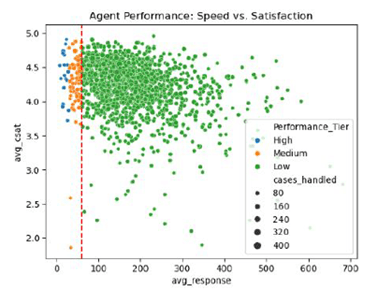
Not all fast service is good service—and not all slow service is bad. Our analysis revealed four types of agents:
KeyTakeaway:
- New agents (0–30 days) need mentorship—they improve with guidance.
- Smaller teams perform better (CSAT 4.6 vs. 3.6-4.0 in larger teams).
3. The Hidden Power of Proactive Service
Most complaints came after things went wrong. But what if we could prevent them?
Our Fixes:
🔹 Automate refunds for low-risk cases.
🔹 Flag suspicious returns (>20-day delays for fraud checks).
🔹 Notify customers early (e.g., “Your return window closes in 3 days!”).
The Results We Expect (And You Can Too!)
What’s Next?
We’re rolling out:
🚀 Instant approvals for small returns.
🚀 A mentorship program for new hires.
Final Thought: Better Service = Happier Customers
The best customer service isn’t just reactive—it’s proactive, efficient, and human. By simplifying processes, coaching agents, and acting before issues escalate, we’re turning frustration into loyalty.
What’s your biggest customer service challenge? Let’s discuss in the comments!





Leave a comment